
10 Habits for a Healthy Heart: Tips for Cardiovascular Wellness
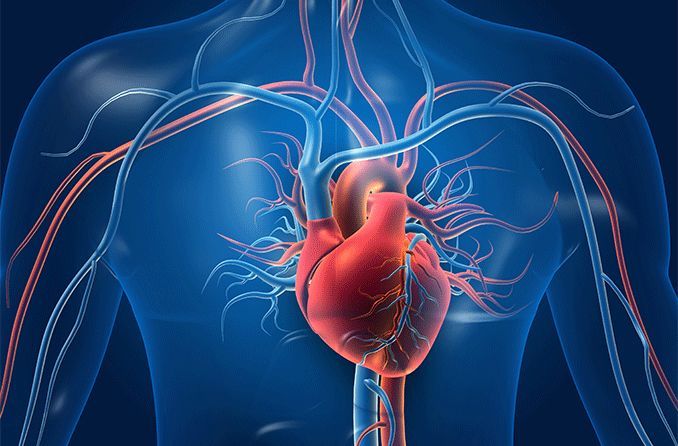
Keeping our heart healthy is essential for living a long, healthy life. Our heart is the most important muscle in our body, responsible for pumping blood to all of our organs and tissues. Unfortunately, heart disease is one of the leading causes of death worldwide. The good news is that there are several things we can do to keep our hearts healthy and reduce the risk of heart disease. In this article, we’ll discuss 10 habits for a healthy heart that you can start incorporating into your daily routine.
Get Enough Sleep
Sleep is vital for overall health and wellbeing, and it’s also essential for maintaining a healthy heart. Research has shown that people who get less than 7 hours of sleep per night have a higher risk of developing heart disease. When we sleep, our body repairs and regenerates, including our cardiovascular system. Lack of sleep can also contribute to other risk factors for heart disease, such as high blood pressure, obesity, and diabetes. Aim for 7-9 hours of sleep per night to keep your heart healthy.
Stay Active
Regular physical activity is one of the best things you can do for your heart health. Exercise helps to strengthen the heart muscle, improve blood flow, and reduce the risk of heart disease. It’s recommended that adults get at least 150 minutes of moderate-intensity exercise per week. This can include activities such as brisk walking, cycling, swimming, or dancing. If you’re new to exercise, start slowly and gradually build up your intensity and duration.
Eat a Heart-Healthy Diet
Eating a diet rich in fruits, vegetables, whole grains, and lean protein is essential for a healthy heart. Foods that are high in saturated and trans fats, sodium, and added sugars can increase the risk of heart disease. Aim to include a variety of colorful fruits and vegetables in your diet, as they are rich in antioxidants and other nutrients that are beneficial for heart health. Choose lean proteins such as chicken, fish, and legumes, and limit red meat and processed meats.
Maintain a Healthy Weight
Being overweight or obese is a risk factor for heart disease. Excess weight can lead to high blood pressure, high cholesterol, and diabetes, all of which increase the risk of heart disease. Aim to maintain a healthy weight by eating a balanced diet and getting regular exercise. If you need to lose weight, aim for a slow and steady weight loss of 1-2 pounds per week.
Manage Stress
Chronic stress can contribute to high blood pressure, which is a risk factor for heart disease. Finding healthy ways to manage stress is essential for a healthy heart. This can include activities such as meditation, yoga, deep breathing, or spending time in nature. It’s also important to prioritize self-care and take time for yourself each day.
Quit Smoking
Smoking is one of the most significant risk factors for heart disease. It damages the blood vessels and can lead to a buildup of plaque in the arteries, which can cause a heart attack or stroke. Quitting smoking is one of the best things you can do for your heart health. If you’re struggling to quit, talk to your healthcare provider about resources and support.
Limit Alcohol Intake
Excessive alcohol intake can increase the risk of high blood pressure and heart disease. It’s recommended that men limit their alcohol intake to no more than two drinks per day, and women to no more than one drink per day. If you have a history of heart disease or other health conditions, it may be recommended that you avoid alcohol altogether.
Keep Cholesterol in Check
High cholesterol is a risk factor for heart disease. Cholesterol is a type of fat that can build up in the arteries, causing them to narrow and harden. This can lead to a heart attack or stroke. There are two types of cholesterol: HDL (the “good” cholesterol) and LDL (the “bad” cholesterol). High levels of LDL cholesterol increase the risk of heart disease, while high levels of HDL cholesterol can help to protect against heart disease. You can keep your cholesterol levels in check by eating a heart-healthy diet, getting regular exercise, and taking medications if prescribed by your healthcare provider.
Control Blood Pressure
High blood pressure is another significant risk factor for heart disease. It can damage the blood vessels and increase the workload on the heart. You can help to control your blood pressure by maintaining a healthy weight, eating a heart-healthy diet, limiting sodium intake, getting regular exercise, and taking medications if prescribed by your healthcare provider.
Stay Up to Date on Screenings and Check-Ups
Regular health screenings and check-ups are essential for maintaining a healthy heart. Your healthcare provider can check your blood pressure, cholesterol levels, and other risk factors for heart disease. They may also recommend other tests, such as an EKG or stress test, to assess your heart health. It’s important to stay up to date on these screenings and check-ups to catch any potential issues early on.
In conclusion, there are several habits you can incorporate into your daily routine to keep your heart healthy and reduce the risk of heart disease. Getting enough sleep, staying active, eating a heart-healthy diet, maintaining a healthy weight, managing stress, quitting smoking, limiting alcohol intake, keeping cholesterol in check, controlling blood pressure, and staying up to date on screenings and check-ups are all essential for a healthy heart. By making these habits a priority, you can improve your overall health and wellbeing and enjoy a long and healthy life.