
Debunking Common Weight Loss Myths
Weight loss is a topic that has always been shrouded in myths and misconceptions. From the latest fad diets to “miracle” supplements, there is no shortage of advice on how to shed those extra pounds. However, not all of this advice is accurate or even safe. In this article, we will take a closer look at some of the most common weight loss myths and debunk them with evidence-based facts.
Myth 1: Carbs Are the Enemy
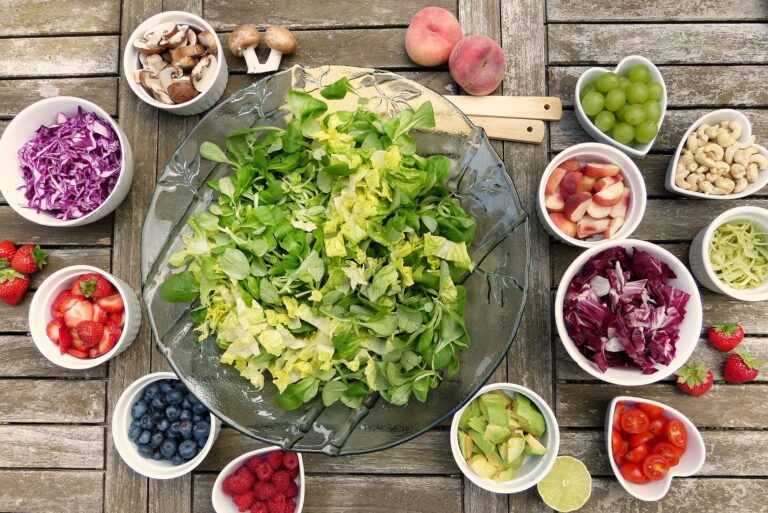
Carbohydrates have been demonized for years as the cause of weight gain, but this is a myth. The truth is that not all carbs are created equal. While refined carbohydrates found in white bread, pasta, and pastries can contribute to weight gain, complex carbohydrates found in fruits, vegetables, and whole grains are an essential part of a healthy diet. In fact, a study published in the American Journal of Clinical Nutrition found that participants who consumed a diet high in complex carbohydrates lost more weight than those on a low-carb diet.
Myth 2: Eating Late at Night Will Make You Gain Weight
Many people believe that eating late at night will cause weight gain, but the timing of your meals has little to do with weight loss or gain. What matters more is the number of calories you consume throughout the day. A study published in the International Journal of Obesity found that people who consumed the majority of their calories in the evening lost just as much weight as those who consumed their calories earlier in the day.
Myth 3: You Need to Exercise to Lose Weight
While exercise is an important part of a healthy lifestyle, it is not the only way to lose weight. In fact, studies have shown that diet is a more significant factor in weight loss than exercise. That said, incorporating physical activity into your routine can help you maintain a healthy weight and improve overall health. Additionally, building muscle through strength training can boost your metabolism, helping you burn more calories even when you’re at rest.
Myth 4: Skipping Meals Will Help You Lose Weight
Skipping meals may seem like an easy way to cut calories, but it can actually be counterproductive. When you skip meals, your body goes into starvation mode, slowing down your metabolism and making it harder to burn calories. Additionally, skipping meals can lead to overeating later in the day, making it more challenging to maintain a calorie deficit. A better approach is to eat smaller, more frequent meals throughout the day to keep your metabolism revved up and your hunger in check.
Myth 5: You Need to Cut Out Fat to Lose Weight
Fat has been unfairly vilified as the culprit behind weight gain, but the truth is that not all fats are created equal. In fact, healthy fats such as those found in avocados, nuts, and fatty fish can actually aid in weight loss by helping you feel fuller for longer and boosting your metabolism. Additionally, studies have shown that low-fat diets are not more effective for weight loss than higher-fat diets.
Myth 6: You Need to Detox to Lose Weight
Detox diets have gained popularity in recent years as a way to “cleanse” the body of toxins and lose weight, but there is no scientific evidence to support these claims. In fact, many detox diets are dangerously low in calories and nutrients and can lead to dehydration, electrolyte imbalances, and other health complications. Instead of relying on detox diets, focus on eating a balanced, nutrient-rich diet and staying hydrated to support overall health and weight loss.
Myth 7: You Can Spot-Reduce Fat
Many people believe that they can target specific areas of the body for weight loss, such as the belly or thighs, but this is a myth. When you lose weight, it happens all over your body, not just in one specific area. Additionally, spot-reducing exercises, such as crunches or squats, can help tone and strengthen specific muscles, but they won’t necessarily reduce fat in those areas. The best way to reduce body fat is to focus on overall weight loss through a healthy diet and regular physical activity.
Myth 8: You Should Avoid Snacking to Lose Weight
Snacking can be a healthy part of a weight loss plan, as long as you choose the right snacks. Eating small, healthy snacks between meals can help keep your metabolism revved up and prevent overeating at mealtimes. However, it’s important to choose snacks that are high in protein and fiber and low in sugar and refined carbohydrates. Good options include nuts, seeds, fresh fruit, and vegetables with hummus or Greek yogurt.
Myth 9: Drinking Water Will Help You Lose Weight
Drinking water is important for overall health, but it’s not a magic solution for weight loss. While drinking water before meals may help you eat less, it’s unlikely to have a significant impact on weight loss unless you also make other dietary and lifestyle changes. That said, staying hydrated is essential for optimal health and can help you feel fuller for longer, reducing the likelihood of overeating.
Myth 10: You Should Avoid Eating Fat and Sugar
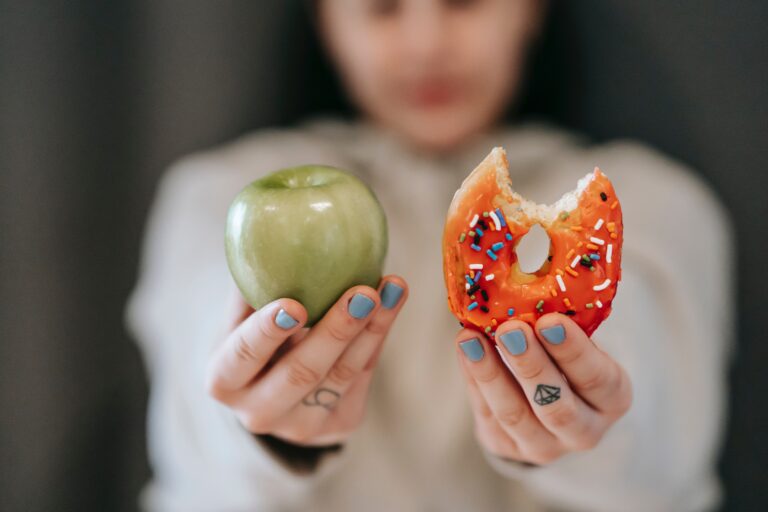
While it’s true that consuming too much fat and sugar can contribute to weight gain, avoiding them entirely is not necessary or even healthy. Healthy fats, such as those found in nuts, seeds, and olive oil, are an essential part of a balanced diet, and natural sugars found in fruits and vegetables provide important nutrients and fiber. The key is to consume these foods in moderation and focus on overall calorie intake rather than demonizing specific nutrients.
In conclusion, there are many weight loss myths that can prevent you from achieving your goals. By focusing on evidence-based facts and making sustainable lifestyle changes, you can lose weight and improve your health without falling prey to fad diets or quick-fix solutions. Remember to eat a balanced diet, stay hydrated, exercise regularly, and get plenty of sleep to support healthy weight loss and overall well-being.