

What To Expect When You First Start Taking Testosterone?
Are you considering starting testosterone treatment? Embarking on this journey can be both exciting and nerve-wracking. In this article, we will walk you through what you can expect when you first start taking testosterone. From physical changes to emotional adjustments, we’ve got you covered. So, fasten your seatbelt and get ready to embark on this transformative experience.
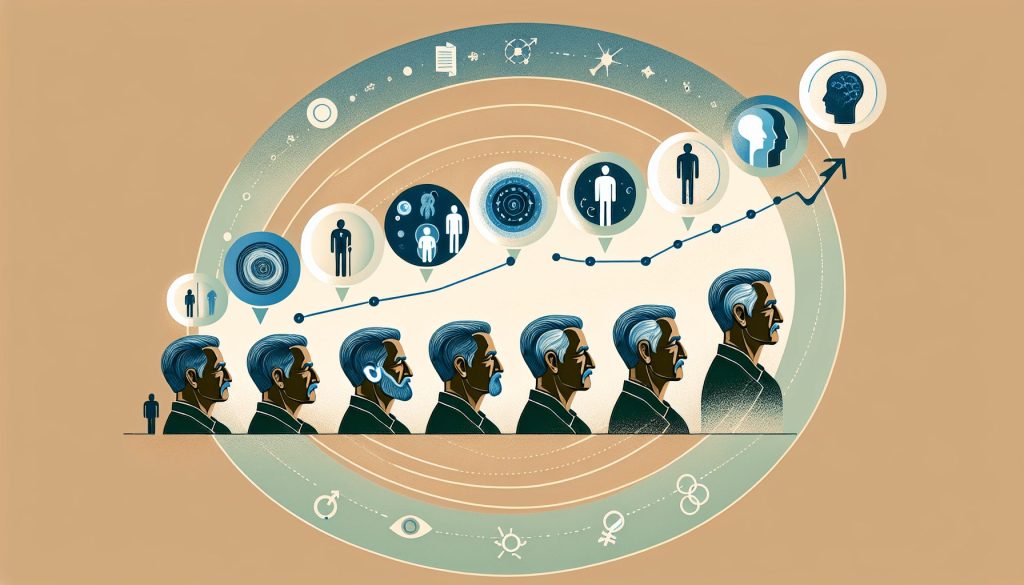
Physical Changes
Body hair growth
When you start taking testosterone, one of the first physical changes you may notice is an increase in body hair growth. Testosterone can stimulate the growth of hair on the chest, arms, legs, and face. This can vary from person to person, with some experiencing rapid hair growth while others may see more subtle changes. It’s important to note that your genetics can play a role in how much hair growth you experience. Embrace your new hair growth and experiment with different grooming styles to find what makes you feel most comfortable.
Voice deepening
Another significant physical change that many individuals experience when starting testosterone is voice deepening. Testosterone can cause your vocal cords to thicken and lengthen, resulting in a lower-pitched voice. This process typically occurs gradually over several months and can be quite exciting as you start to hear your voice change. You may find yourself exploring new vocal ranges and experimenting with different speaking styles to find what feels most natural to you.
Acne and oily skin
While it’s not guaranteed, some individuals may experience an increase in acne and oily skin when they begin taking testosterone. This is because testosterone can increase oil production in the skin, leading to clogged pores and breakouts. If you do experience acne, it’s important to develop a skincare routine that includes gentle cleansing and moisturizing. Consider speaking with a dermatologist who can provide recommendations tailored to your skin type and address any concerns you may have.
Increased muscle mass
One of the most sought-after physical changes for many individuals starting testosterone is increased muscle mass. Testosterone helps to promote muscle growth and can contribute to an overall increase in strength. While everyone’s results may vary, incorporating strength training exercises into your fitness routine can help optimize the effects of testosterone on muscle growth. Be patient with the process, as building muscle takes time and consistency, but enjoy the journey of feeling stronger and more empowered in your own body.
Decreased breast tissue
For individuals assigned female at birth, testosterone can lead to a decrease in breast tissue. Gradually, you may notice your chest becoming flatter and firmer as fat redistribution occurs. It’s important to note that the extent of this change can vary depending on individual factors such as genetics and the duration of testosterone use. If you have concerns or questions about this change, consulting with a healthcare provider who specializes in transgender healthcare can provide you with the information and support you need.
Enlarged clitoris
One of the changes individuals assigned female at birth may notice when starting testosterone is clitoral growth. Testosterone can increase blood flow to the clitoris, leading to enlargement over time. This can result in heightened sensitivity and potentially enhance sexual pleasure. It’s important to communicate with your healthcare provider about any concerns or questions regarding this change, as they can provide guidance and support throughout your transition journey.
Emotional Changes
Increased energy and drive
One of the positive emotional changes that many individuals experience when starting testosterone is increased energy and drive. Testosterone can give you a boost of renewed motivation and determination to pursue your goals and passions. You may find yourself feeling more energized and focused, allowing you to tackle tasks with enthusiasm.
Mood swings
It’s not uncommon to experience mood swings when your hormone levels are undergoing significant changes. Starting testosterone can prompt emotional ups and downs, leading to mood swings that are often temporary. It’s important to remember that these changes are a normal part of the hormone adjustment process. Engaging in self-care activities such as exercise, journaling, or spending time with loved ones can help manage and balance your emotions during this time.
Increased aggression
Some individuals may experience an increase in aggression when starting testosterone. It’s important to differentiate between healthy assertiveness and harmful aggression. If you find yourself having difficulty managing your anger or it significantly impacts your relationships, consider seeking support from a mental health professional who can provide guidance on cultivating healthy coping mechanisms.
Heightened libido
Testosterone can also impact your libido by increasing your sexual desire. You may notice a significant increase in your interest in sexual activity and a heightened sensitivity to sexual pleasure. It’s important to communicate freely with your partner(s) about any changes in your libido and to prioritize consent and communication in intimate encounters. Exploring your own desires and preferences can be an exciting and empowering journey during this time.
Sexual Changes
Increased sex drive
Starting testosterone often leads to an increase in sex drive. As testosterone levels rise, many individuals may experience a heightened desire for sexual activity. It’s important to navigate this change in your own time and comfort level, communicating openly with your partner(s) about your needs and desires.
Clitoral growth
As mentioned earlier, testosterone may lead to clitoral growth for individuals assigned female at birth. This growth is gradual and can result in increased sensitivity and potentially enhanced sexual pleasure. It’s important to explore these changes with self-compassion and communicate openly with your partner(s) about any changes in sensation or comfort.
Vaginal atrophy
Another potential change that individuals assigned female at birth may experience when starting testosterone is vaginal atrophy. Testosterone can cause the vaginal tissues to become drier and thinner over time. This can lead to discomfort during penetration or sexual activity. Using water-based lubricants or speaking with a healthcare provider about potential treatment options can help manage any discomfort and maintain sexual well-being.
Changes in orgasm
Testosterone can also impact the way individuals experience orgasms. Some individuals may find that orgasms become more intense or have a different quality than before. Others may experience changes in the frequency or duration of orgasm. It’s important to prioritize open communication with your partner(s) about these changes and explore what feels pleasurable and satisfying to you.
Possible infertility
Starting testosterone can potentially lead to infertility. If preserving fertility is a concern for you, it’s important to discuss this with a healthcare provider before beginning hormone therapy. They can provide information on options such as fertility preservation, including egg freezing or sperm banking, depending on your needs and goals.
Mental Changes
Improved focus
One of the mental changes many individuals report when starting testosterone is improved focus. With increased energy and motivation, you may find it easier to concentrate on tasks and stay engaged in your work or hobbies. Embrace this newfound clarity and use it to your advantage in pursuing your goals and aspirations.
Increased confidence
As your physical appearance changes and you start to align more closely with your gender identity, it’s common to experience increased confidence. Testosterone can help you feel more comfortable in your own skin, boosting your self-esteem and allowing you to feel more confident in various aspects of your life. Embrace this growing confidence and celebrate the unique journey you’re on.
Reduced anxiety and depression
Many individuals find that their anxiety and depression symptoms improve when they begin taking testosterone. While it’s important to remember that everyone’s experiences are different, testosterone can have a positive impact on mental health by reducing anxiety and depression for some individuals. If you do experience ongoing mental health concerns, it’s crucial to seek support from a mental health professional who can provide appropriate care and guidance.
Changes in cognition and memory
Testosterone can potentially influence cognition and memory. Some individuals may notice changes in their ability to focus, retain information, or process thoughts. It’s important to allow yourself time to adapt to these changes and find strategies that support your cognitive well-being. Engaging in activities that stimulate your mind, such as puzzles or learning new skills, can help maintain cognitive function during this transitional period.
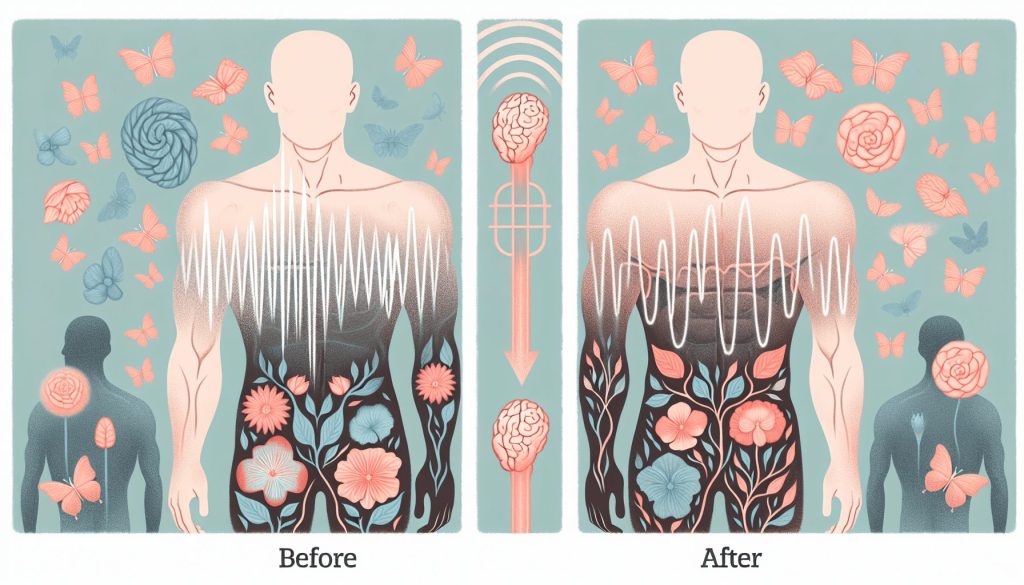
Skin and Hair Changes
Oilier skin
When you start taking testosterone, you may notice that your skin becomes oilier than before. This is because testosterone can stimulate an increase in oil production. While this can lead to clogged pores and acne, developing a skincare routine that includes gentle cleansing and moisturizing can help manage any skin concerns. Remember to be patient with the process, as it may take time to find the right balance for your skin.
Increased body and facial hair
One of the defining physical changes that testosterone can bring is increased body and facial hair. You may notice the growth of hair on your chest, arms, legs, and face in a pattern typically associated with male hair growth. Embracing and grooming your new hair growth can be an exciting part of your transition journey. Experiment with different grooming styles and find what makes you feel confident and comfortable in your own skin.
Possible male pattern baldness
Some individuals starting testosterone may experience male pattern baldness, although it is not guaranteed for everyone. This condition, known as androgenic alopecia, can cause hair loss and thinning on the scalp. If this is a concern for you, speaking with a healthcare provider can provide you with options for managing or addressing potential hair loss.
Appetite and Metabolism Changes
Increased appetite
Many individuals may experience an increase in appetite when they start taking testosterone. This could be due to the increased energy demands of muscle growth and other physical changes happening in your body. It’s important to listen to your body and nourish it with a balanced and nutritious diet. Pay attention to your hunger cues and ensure that you’re fueling yourself adequately to support your overall well-being.
Metabolism changes
Testosterone can potentially impact your metabolism, leading to changes in how your body processes and utilizes energy. Some individuals may experience an increase in their metabolic rate, while others may notice a decrease. Paying attention to your body’s needs, having regular meals, and engaging in physical activity can help support a healthy metabolism and overall energy balance.
Potential weight gain or loss
Due to the impact on appetite and metabolism, weight changes can occur when starting testosterone. Some individuals may experience weight gain, while others may notice weight loss. It’s essential to remember that weight changes should not be the sole focus of your transition journey. Instead, prioritize a balanced approach to your overall well-being, focusing on maintaining a healthy body and mind.
Social Changes
Changes in gender identity and expression
Starting testosterone can bring about significant changes in your gender identity and expression. As you undergo physical and emotional changes, you may start to feel more aligned with your true self. It’s important to give yourself space and time to explore and understand your evolving gender identity. Embrace these changes and connect with LGBTQ+ communities and support networks that can provide guidance and understanding.
Navigating societal expectations and stereotypes
As you embark on your journey with testosterone, it’s crucial to navigate societal expectations and stereotypes that may arise. Society may have preconceived notions about how individuals assigned female at birth should look and behave, but it’s important to remember that you have the right to express your gender in a way that feels authentic to you. Surround yourself with supportive individuals who value your identity and understand your unique experience.
Building new support systems
Starting testosterone can open up opportunities to build new support systems. Connecting with others who have gone through similar experiences can provide a sense of validation, understanding, and community. Seek out LGBTQ+ support groups, online forums, or local organizations that can connect you with individuals who can relate to your journey and provide valuable insight and support.
Dealing with reactions from others
When you begin taking testosterone, it’s possible that you may encounter reactions from others that range from supportive to ignorant or even hostile. Remember that your transition journey is personal and unique to you. It’s essential to surround yourself with accepting and understanding individuals who can provide support and educate others about transgender experiences. Educate yourself on your rights and seek resources to navigate any discrimination or prejudice you may encounter.
Medical Monitoring
Regular blood tests
When starting testosterone, regular blood tests will be necessary to monitor hormone levels and overall health. These tests help healthcare providers ensure that you’re receiving the right dosage and that your hormone levels align with the desired effects. Regular monitoring allows for adjustments to be made if necessary to optimize your transition journey and maintain your well-being.
Monitoring hormone levels
Monitoring hormone levels is a crucial aspect of starting testosterone. A healthcare provider will monitor your hormone levels to ensure that they are appropriately within the desired range for your transition goals. The frequency of monitoring may vary from person to person, and it’s important to adhere to the recommended follow-up appointments to stay informed about your progress.
Checking for potential side effects
Starting testosterone can come with potential side effects. Regular medical monitoring allows healthcare providers to check for any potential adverse effects and address them promptly. It’s crucial to communicate openly with your healthcare provider about any concerns or symptoms you experience, as they can provide guidance and support throughout your transition journey.
Evaluating overall health
Beyond hormone levels, medical monitoring also involves evaluating your overall health. This can include assessing cardiovascular health, cholesterol levels, liver function, and any other relevant indicators. Regular check-ups allow healthcare providers to identify and address any potential health issues that may arise during your transition. Remember to be proactive in discussing your health concerns, as open communication is key to receiving comprehensive care.
Timeline of Changes
Short-term changes in the first few weeks
In the first few weeks of starting testosterone, you may experience some initial changes. These can include increased energy levels, mood fluctuations, and potentially increased libido. It’s important to remember that everyone’s timeline may vary, and not all changes will occur immediately. Give yourself time to adjust and embrace the process as you embark on your unique transition journey.
Long-term changes over several months and years
The physical, emotional, and mental changes brought about by testosterone often occur gradually over several months and years. Patience is key during this time, as the extent and rate of changes can vary from person to person. It’s crucial to celebrate each milestone and embrace the journey of self-discovery and growth. Remember that your transition is a personal experience, and the timeline and changes are yours to navigate at your own pace.
Potential Risks and Side Effects
Acne and skin issues
As mentioned earlier, increased oil production in the skin can lead to acne and other skin issues. It’s important to establish a skincare routine that includes gentle cleansing and moisturizing to manage any skin concerns that may arise. Consulting with a dermatologist can provide further guidance and recommendations tailored to your skin type and specific needs.
Hair loss and male pattern baldness
Hair loss, particularly male pattern baldness, can be a potential side effect for individuals starting testosterone. If this is a concern for you, discussing potential treatment options with a healthcare provider can provide guidance and support. Remember that there is no right or wrong way to navigate hair loss, and it’s a personal decision that should prioritize your well-being and comfort.
Increased risk of cardiovascular problems
It’s important to be aware that starting testosterone can come with an increased risk of cardiovascular problems. Regular monitoring of cardiovascular health, including cholesterol levels and blood pressure, is crucial during hormone therapy. It’s essential to discuss any concerns or questions about cardiovascular health with your healthcare provider and follow their recommendations for maintaining optimal heart health.
Potential liver damage
Some individuals may experience potential liver damage as a result of long-term testosterone use. Regular monitoring of liver function through blood tests is necessary to identify and address any potential issues. It’s important to communicate openly with your healthcare provider, adhere to recommended follow-up appointments, and report any symptoms that may indicate liver problems.
Emotional and mental health impact
While testosterone can have positive effects on emotional and mental health for many individuals, it’s important to note that everyone’s experiences are unique. Some individuals may experience emotional and mental health changes that require additional support. It’s crucial to seek help from mental health professionals who specialize in transgender healthcare if you experience ongoing concerns or symptoms that impact your well-being.
Infertility and reproductive changes
Starting testosterone can potentially lead to infertility and reproductive changes. If preserving fertility is important to you, it’s crucial to discuss this with a healthcare provider before starting testosterone. They can provide information on options for fertility preservation, such as egg freezing or sperm banking, depending on your needs and goals. It’s important to make informed decisions about your reproductive health and consider all available options.