
Who Is A Good Candidate For Testosterone Therapy?
Are you curious about who would make a good candidate for testosterone therapy? It may surprise you to learn that many individuals could benefit from this treatment, including those experiencing low testosterone levels, menopausal women, and even some athletes looking to enhance their performance. By understanding the factors that make someone a strong candidate for testosterone therapy, you can determine if it may be a suitable option for you or a loved one. Who Is A Good Candidate For Testosterone Therapy?
Who is a good candidate for testosterone therapy? If you find yourself experiencing symptoms like fatigue, decreased libido, or muscle loss, you may be considering testosterone therapy to help alleviate these issues. This article will explore who is a good candidate for testosterone therapy, what the potential benefits and risks are, and what to expect during treatment.

What Is Testosterone Therapy?
Testosterone therapy, also known as testosterone replacement therapy (TRT), is a treatment option for individuals with low levels of testosterone in their bodies. Testosterone is a hormone that plays a crucial role in maintaining various bodily functions, including muscle mass, bone density, and libido.
Explaining Testosterone Levels
Testosterone levels in the body can fluctuate due to various factors, including age, genetics, and underlying medical conditions. It is essential to have your testosterone levels checked by a healthcare provider through a blood test to determine if you are a good candidate for testosterone therapy.
Symptoms of Low Testosterone
low testosterone levels can manifest in various symptoms that can impact your quality of life. Some common symptoms of low testosterone include:
- Fatigue
- Decreased libido
- Erectile dysfunction
- Muscle loss
- Increased body fat
- Mood changes
- Decreased bone density
- Hair loss
- Difficulty concentrating
Recognizing the Signs
If you are experiencing any of these symptoms, it may be a sign that you have low testosterone levels and could benefit from testosterone therapy. It is essential to consult with a healthcare provider to discuss your symptoms and undergo testing to determine the root cause of your symptoms.
Who Is a Good Candidate for Testosterone Therapy?
Not everyone with low testosterone levels is a suitable candidate for testosterone therapy. To determine if you are a good candidate for testosterone therapy, your healthcare provider will consider various factors, including:
- Your overall health
- Underlying medical conditions
- Severity of symptoms
- Age
- Personal preferences
- Potential risks and benefits of treatment
The Role of Age
Age plays a significant role in determining if you are a good candidate for testosterone therapy. As men age, their testosterone levels naturally decline, which can result in symptoms of low testosterone. Older men with clinically low testosterone levels may benefit from testosterone therapy to alleviate their symptoms and improve their quality of life.
Underlying Medical Conditions
Individuals with certain medical conditions, such as hypogonadism, pituitary disorders, or obesity, may be good candidates for testosterone therapy. These conditions can contribute to low testosterone levels and may require treatment with testosterone therapy to restore hormonal balance and alleviate symptoms.
Severity of Symptoms
The severity of your symptoms can also play a role in determining if you are a good candidate for testosterone therapy. If you are experiencing significant symptoms of low testosterone that are impacting your daily life, such as severe fatigue or erectile dysfunction, testosterone therapy may be a suitable treatment option for you.
Personal Preferences
Your personal preferences and goals for treatment also play a role in determining if you are a good candidate for testosterone therapy. Some individuals may prefer a natural approach to managing their symptoms, while others may be open to medical intervention like testosterone therapy. It is essential to discuss your preferences with your healthcare provider to determine the best treatment plan for you.
Benefits of Testosterone Therapy
Testosterone therapy can offer several benefits for individuals with low testosterone levels. Some potential benefits of testosterone therapy include:
- Increased libido
- Improved erectile function
- Increased muscle mass
- Reduced body fat
- Improved mood
- Enhanced cognitive function
- Increased bone density
- Improved energy levels
Improving Quality of Life
By addressing the symptoms of low testosterone, testosterone therapy can improve your quality of life and overall well-being. Many individuals experience a significant improvement in their symptoms and overall health with testosterone therapy, leading to a better quality of life.

Risks of Testosterone Therapy
While testosterone therapy can offer many benefits, it is essential to consider the potential risks and side effects associated with this treatment. Some risks of testosterone therapy include:
- Increased risk of blood clots
- Prostate enlargement
- Sleep apnea
- Acne
- Breast enlargement
- Infertility
- Fluid retention
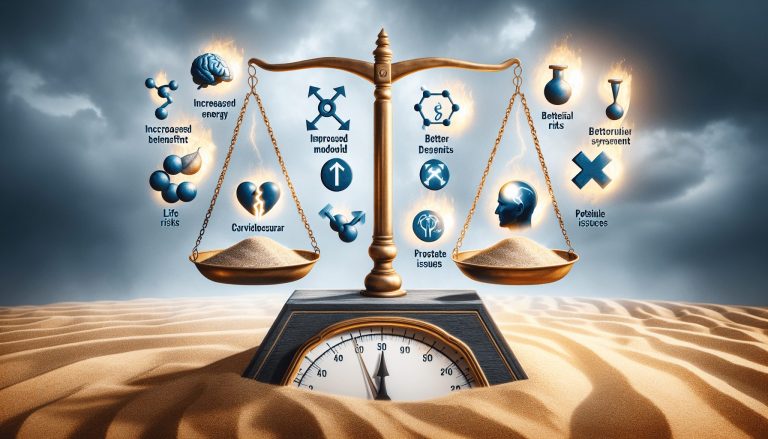
Weighing the Risks and Benefits
Before starting testosterone therapy, it is crucial to discuss the potential risks and benefits of treatment with your healthcare provider. By understanding these risks, you can make an informed decision about whether testosterone therapy is the right choice for you and your health needs.
What to Expect During Testosterone Therapy
If you are considering testosterone therapy, it is essential to understand what to expect during treatment. Testosterone therapy can be administered in various forms, including:
- Injections
- Patches
- Gels
- Pellets
Monitoring Your Progress
During testosterone therapy, your healthcare provider will monitor your progress regularly to evaluate the effectiveness of treatment and adjust your dosage as needed. It is essential to attend follow-up appointments and communicate any changes in your symptoms or concerns with your healthcare provider.
Managing Side Effects
Like any medical treatment, testosterone therapy can come with side effects that may require management. Common side effects of testosterone therapy include acne, fluid retention, and breast enlargement. It is essential to discuss any side effects you experience with your healthcare provider to determine the appropriate course of action.
Conclusion
Testosterone therapy can be a beneficial treatment option for individuals with low testosterone levels who are experiencing symptoms like fatigue, decreased libido, or muscle loss. By understanding who is a good candidate for testosterone therapy, the potential benefits and risks of treatment, and what to expect during therapy, you can make an informed decision about whether testosterone therapy is right for you. Remember to consult with a healthcare provider to discuss your symptoms, undergo testing, and develop a personalized treatment plan that meets your individual health needs and goals.